US and Iran trade direct strikes, then Trump says a peace deal is near: breakthrough, or 'boy who cried wolf'?
After a second straight day of US-Iran strikes — Iran hitting American bases in Jordan and the Gulf, the US striking back inside Iran — Trump abruptly called off further threatened strikes on June 11 and declared a peace deal is close, saying the Strait of Hormuz will reopen 'as soon as' the two sides sign. Washington frames it as a diplomatic breakthrough secured through pressure; Tehran says it struck back and will not be coerced, and skeptics note Trump's repeated, unfulfilled deal claims.
The summary above is a neutral framing. Below, each side reports the same story in its own words — judge for yourself.
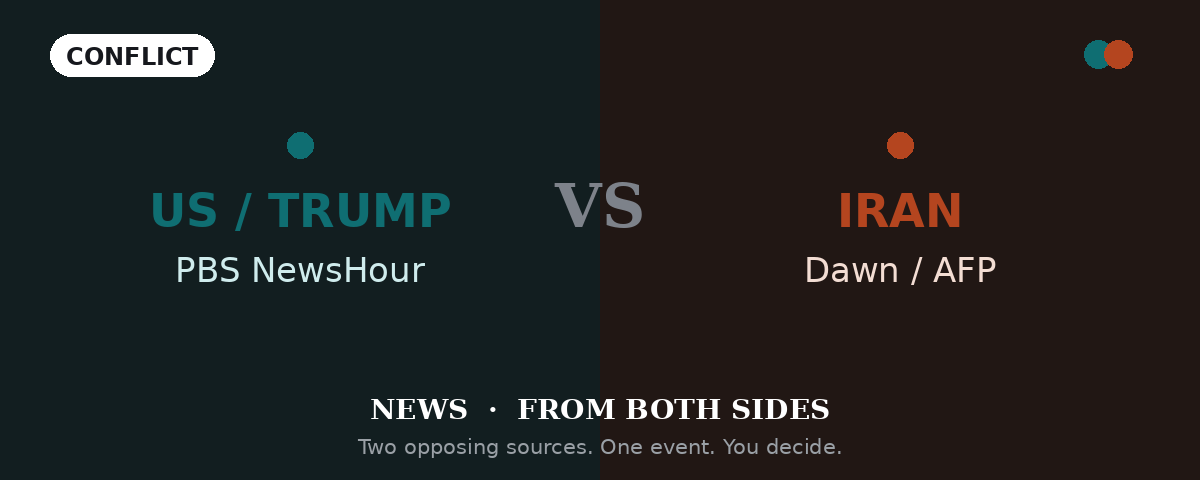
After threatening to take 'total control' of Iran's oil and hit power plants and bridges, Trump reversed course on June 11, saying he had called off the latest strikes because a deal is nearly done and that Hormuz will reopen once it is signed. He casts the turn as a win delivered by military and economic pressure — pre-empting critics by joking some will see it as 'the boy who cried wolf.'
Tehran says that on day 104 of the war it struck American bases after the latest US attacks, casting Washington's strikes as aggression and insisting it will not be coerced into a nuclear deal on US terms. Iranian officials frame any pause as forced by Iran's retaliation rather than by American magnanimity, and have not confirmed Trump's claim that a signing is imminent.