← World
Accra's reparations summit: a historic turning point for justice, or a diplomatic gesture without money?

Accra's reparations summit: a historic turning point for justice, or a diplomatic gesture without money?

More than 80 nations gathered in Accra for the first major international conference on reparatory justice for colonial-era slavery, following the UN General Assembly's 123-vote resolution Ghana led in March. African and Caribbean nations call it a legal and moral imperative; former colonial powers like the UK acknowledge past wrongs but resist financial reparations.

The summary above is a neutral framing. Below, each side reports the same story in its own words — judge for yourself.

Africa / Global South

Ghana's president and delegates from over 80 countries framed the Accra conference as a concrete step toward reparatory justice — not charity but a legal obligation — following a landmark UN resolution and commitments from France to repeal colonial-era slave codes and engage on restitution.

Former colonial powers

France initially abstained from the UN reparations resolution, warning it risked 'establishing a hierarchy among crimes against humanity'; the UK's King Charles acknowledged Britain's role in the slave trade as an 'appalling atrocity' but has resisted calls for financial reparations, with Britain instead promoting 'new formats of dialogue.'

More in World

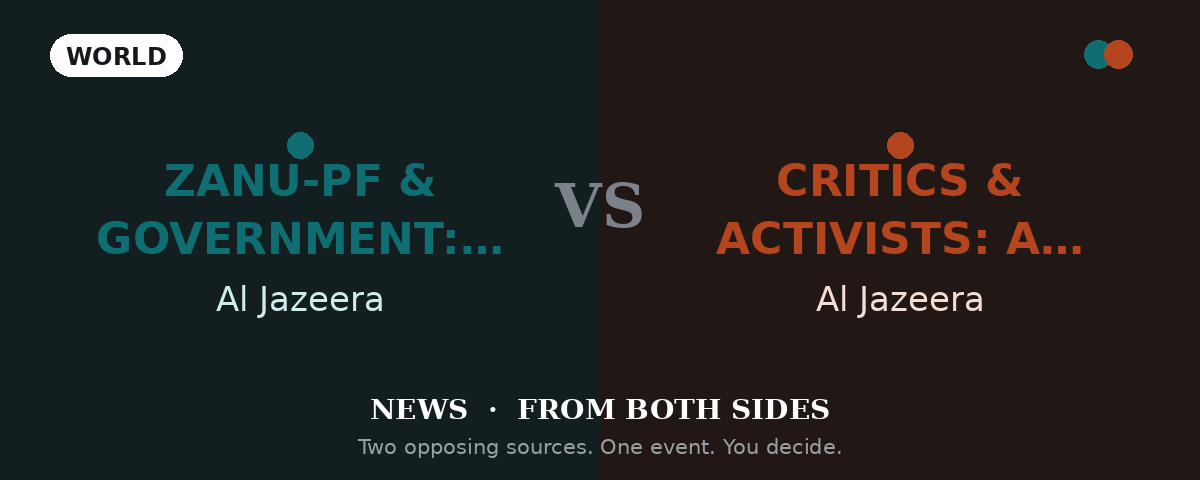
Zimbabwe's parliament votes to keep Mnangagwa in power until 2030 and let lawmakers pick the president: stability or power grab?
World Jun 19

Zimbabwe's parliament votes to keep Mnangagwa in power until 2030 and let lawmakers pick the president: stability or power grab?

Zimbabwe's lower house of parliament passed a bill by a two-thirds majority to extend presidential terms from five to seven years — allowing President Emmerson Mnangagwa to stay in power until 2030, two years beyond his original mandate. The bill also proposes shifting from a direct popular vote to selection of the president by lawmakers, a move critics say removes democratic accountability. Activists and war veterans who mounted legal challenges saw their cases struck off the court roll this week on technical grounds. Mnangagwa came to power via a 2017 military coup that ousted Robert Mugabe.

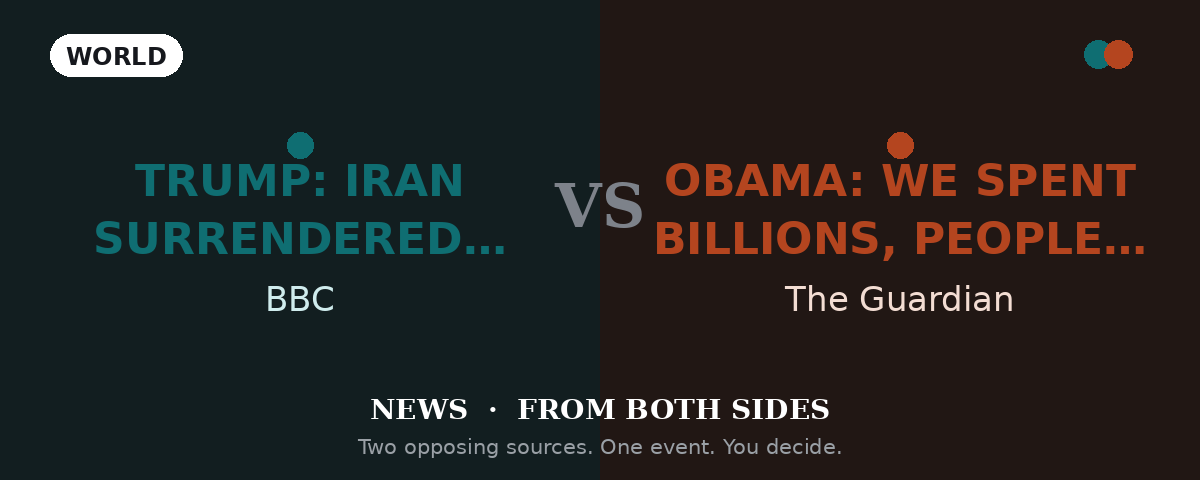
Obama says the US is 'worse off' after the Iran war. Trump says it was 'unconditional surrender'. Who's right?
World Jun 19

Obama says the US is 'worse off' after the Iran war. Trump says it was 'unconditional surrender'. Who's right?

As the US-Iran ceasefire takes hold, two American presidents — one current, one former — gave opposite verdicts on what the war achieved. Donald Trump called the deal Iran's 'unconditional surrender' and has claimed his power 'has no limits.' Barack Obama, speaking at the opening of his presidential centre in Chicago, said the opposite: after 15 weeks of war, billions spent and many lives lost, 'it feels like we're back where we were before we started the war, except maybe a little bit worse off.' Both agree the ceasefire is welcome — they disagree entirely on what it means.